Okpebholo, Oborevbori, Diri, others pocketing LG allocations – Achonu
Business/Economy
In a pointed interview aired on Arise News, former Senator Athan Nneji Achonu claimed that since the removal of fuel subsidies in 2023, each of Nigeria’s 774 Local Government Areas (LGAs) now receives approximately ₦400 million every month from Federation Account Allocation Committee (FAAC) disbursements.
He accused state governors of diverting or “pocketing” these funds while publicly claiming to execute development projects.
Speaking on the programme, Achonu stated: “Since the removal of subsidy, each local government gets 400M every month… The governors are pocketing this money. They will claim they’re doing one project or the other.”
He further noted that both the Senate and the House of Representatives had passed resolutions to ensure local governments are directly included in FAAC allocations.
However, he alleged these measures were never implemented during the tenure of former Minister of Finance Wale Edun.
The remarks come amid ongoing national debates about the utilisation of increased federation revenues following the subsidy removal and other fiscal reforms under the current administration.
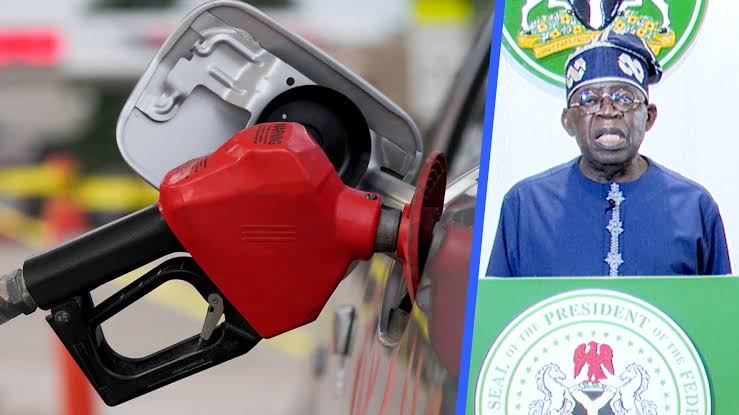
Nigeria’s fuel subsidy removal in mid-2023 significantly boosted monthly FAAC revenues due to savings redirected into the federation account, alongside gains from oil prices, taxes, and other reforms.
Recent disbursements reflect this surge, as in April 2026, the three tiers of government shared over ₦2.25 trillion, with states receiving around ₦772 billion and local governments collectively receiving approximately ₦540 billion.
These amounts represent a substantial increase compared to pre-2023 levels.
With 774 LGAs across the country, the per-LGA monthly share has grown considerably, though exact figures vary by month, derivation components, and other factors.
Achonu’s ₦400 million estimate aligns with the order of magnitude of these heightened allocations.
The issue ties directly into long-standing calls for local government financial autonomy. A 2024 Supreme Court judgment affirmed that LGAs should receive funds directly, bypassing state governments.
National Assembly resolutions have supported direct FAAC inclusion for LGs, but practical implementation challenges have persisted, including concerns over direct payment mechanisms raised by officials in prior years.
Critics of the current system argue that without robust transparency mechanisms, such as proposed accountability portals, funds risk mismanagement at state and local levels. Proponents of reforms emphasise the need for LG chairmen and councils to be held directly accountable to citizens.
As Nigeria continues to grapple with economic pressures and demands for better service delivery, Achonu’s intervention adds to the chorus calling for stricter oversight of public funds at the third tier of government.