Constituency projects: Rivers Reps member accused of misplaced priorities
Politics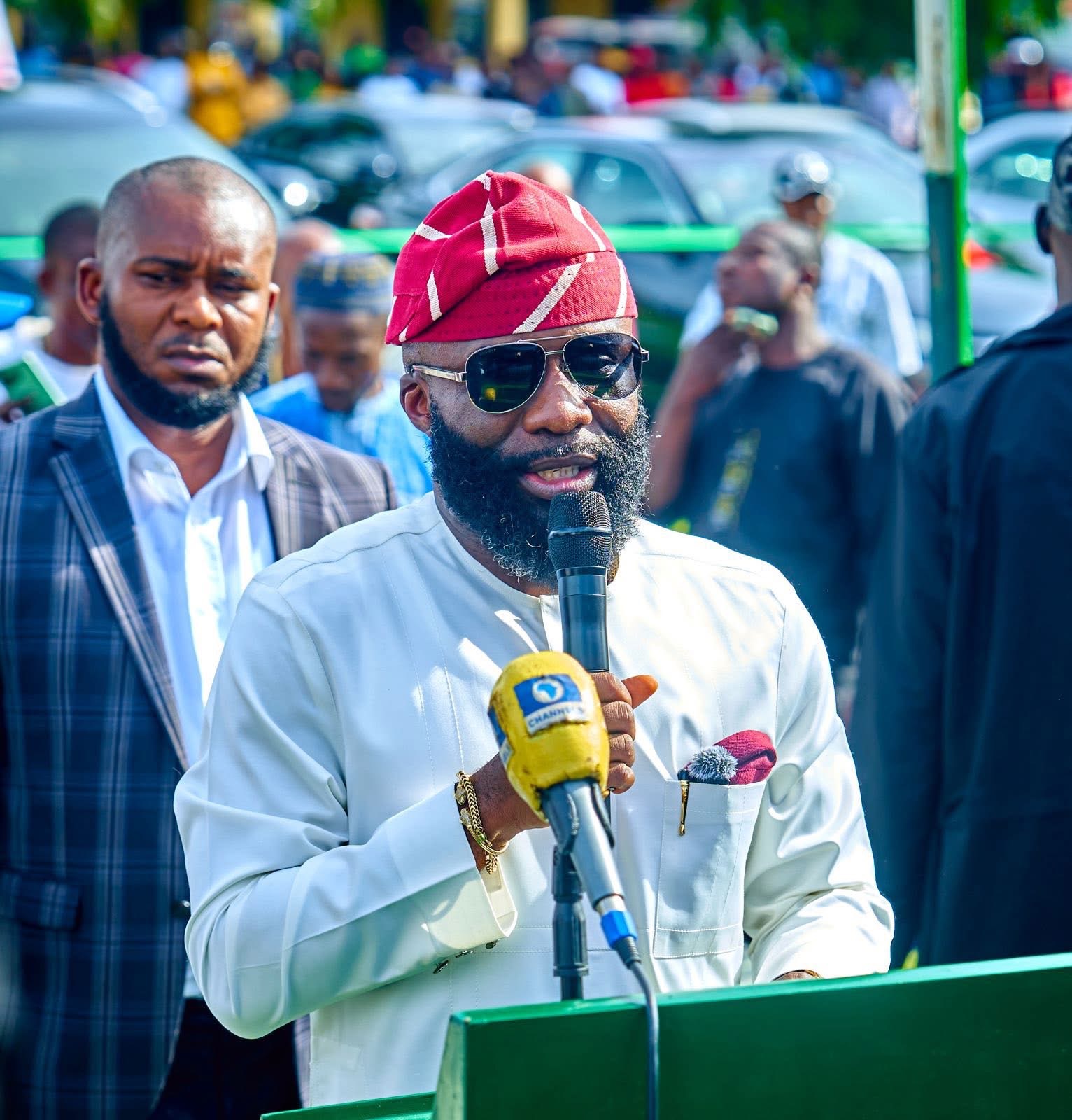
Port-Harcourt, Rivers – MonITNG, a Nigerian civic platform has publicly challenged the recent “empowerment” initiative of Hon. Godspower Kelechi Nwogu, Member of the House of Representatives for Etche/Omuma Federal Constituency in Rivers State, questioning whether the distribution of luxury cars, motorcycles, sewing machines, hair dryers, cash, and other consumables constitutes genuine development.
In a strongly worded post on X Monday, MonITNG described the programme as “SHOCKING” and tagged Nigeria’s anti-corruption agencies, the Independent Corrupt Practices and Other Related Offences Commission (ICPC) and the Economic and Financial Crimes Commission (EFCC).
The group argued that while such distributions are often celebrated, they fail to address the constituency’s most pressing needs.
MonITNG highlights persistent challenges in Etche and Omuma communities, including dilapidated schools lacking learning materials, under-resourced health centres without basic equipment or staff, and limited access to essential services.
It questions the use of public funds, allocated through the federal constituency project budget for “isolated distributions that benefit a select few” rather than sustainable infrastructure such as roads, clean water systems, functional hospitals, and quality schools.

Hon. Nwogu, first elected to the Rivers State House of Assembly in 2011 before moving to the federal legislature in 2023, has previously highlighted other constituency interventions. These include the provision of agricultural implements, training programmes for women and youth, installation of solar-powered streetlights in several communities, and ongoing school construction projects in areas like Afara in Etche LGA.
The criticism taps into a long-standing national conversation in Nigeria about constituency projects.
Lawmakers receive annual zonal intervention funds intended for developmental projects, yet critics frequently argue that cash handouts, vehicles, and household items are used for political patronage rather than structural development.
Proponents counter that such “empowerment” programmes provide immediate relief and skills to constituents in areas with high unemployment.
Neither Hon. Nwogu nor the tagged anti-graft agencies have issued an immediate public response.
MonITNG concluded its post with a call to action: “Public funds must remain a trust for collective progress… Real representation is measured by impact, not display.”